Live Music and Bar NYC: The Perfect Pairing
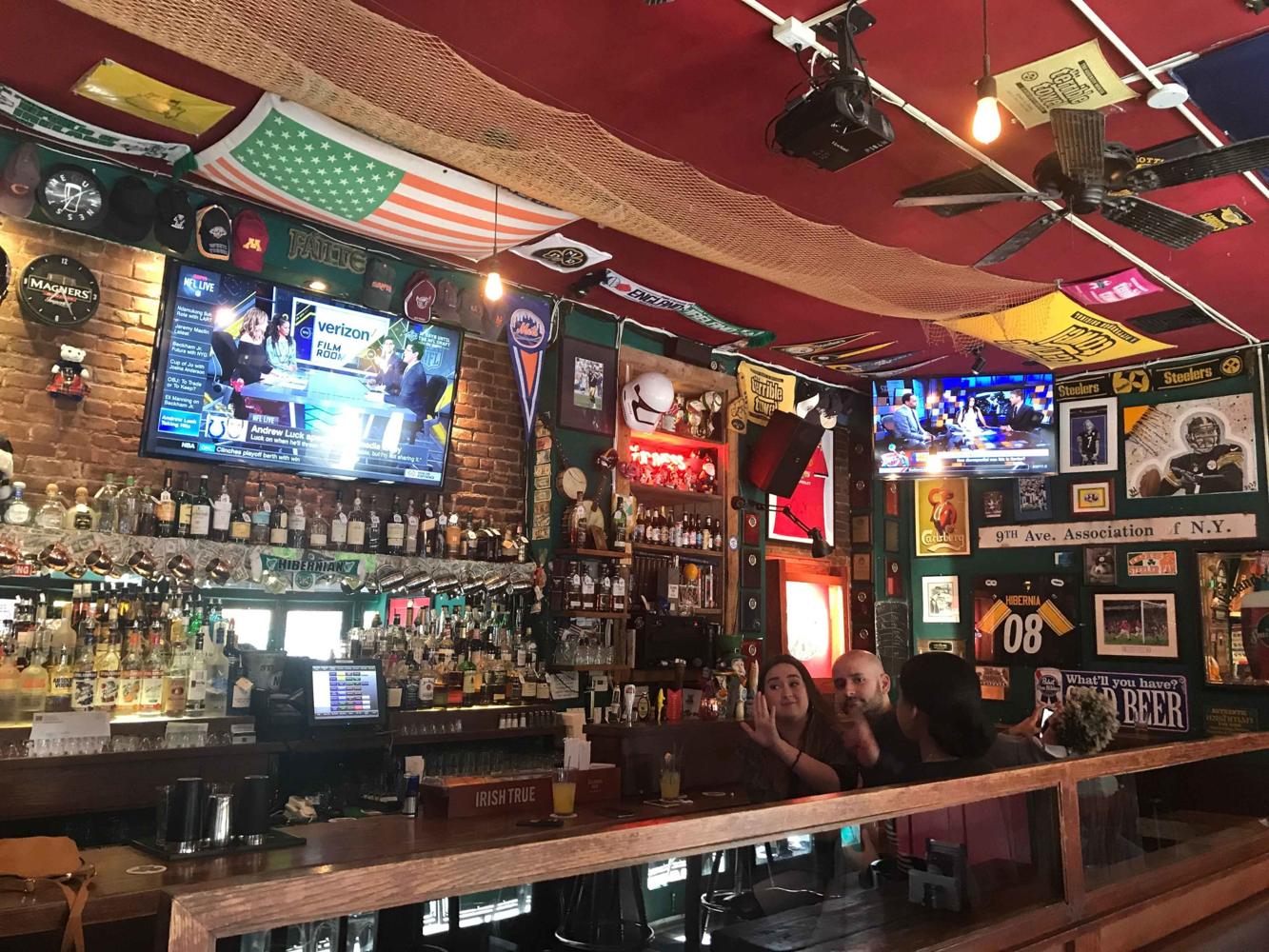
New York has always understood one thing better than most cities: a night out should feel like more than a transaction. It should have tempo. It should have atmosphere. It should give people a reason to stay for one more round, one more set, one more conversation by the bar before heading home. That is why live music and the classic Bar NYC experience fit together so naturally. One feeds the room, the other holds it.
Anyone who has spent serious time in New York nightlife knows the difference between a place that simply serves drinks and a place that creates a scene. Music is often the dividing line. A good bartender can make a perfect martini. A thoughtful beverage director can build a smart menu. But when a singer hits the first note, or a jazz trio locks into a groove, the room changes in a way no lighting plan or cocktail special can manage on its own.
That pairing matters for guests, for operators, and for the culture of the city itself. Live music turns a bar into a destination. The right bar turns a performance into an experience instead of background noise. In New York, where options are endless and attention spans are short, that chemistry still counts.
Why bars and live music belong together
At first glance, the connection seems obvious. People like drinks. People like music. Put them in one room and everyone wins. In practice, it is more nuanced than that. The best music bars in New York succeed because each side of the equation improves the other.
A live set gives structure to the night. It creates peaks and pauses. Guests arrive with a plan, whether they realize it or not. Some come early for a seat near the stage. Others drift in during the second set after dinner downtown or a show in Midtown. The music gives the evening shape. Without it, many bars fall into a flat rhythm, a crowded hour, then a slow taper.
The bar, meanwhile, gives live music a social frame. Most people do not want the formal stillness of a concert hall every weekend. They want quality music in a room where they can relax, order another drink, talk between songs, and feel like part of something active rather than passive. That is the sweet spot. The musicians are close enough to feel human, the audience is engaged without being stiff, and the staff controls the room with timing, hospitality, and flow.
New York is especially well suited to this model because the city has layers of audience. Some guests are devoted music fans. Some are neighborhood regulars. Some are tourists looking for a memorable night. Some just walked past an open door, heard a trumpet line from the sidewalk, and came in on instinct. A strong Bar NYC venue can serve all of them if it understands how the night should unfold.
The atmosphere starts before the first song
People often talk about live music as if the performance alone makes the evening. In reality, the setup around it matters just as much. I have seen talented bands disappear into badly managed rooms. I have also seen solid, unflashy performers thrive because the venue knew how to support them.
The room has to work before the band begins. Sightlines matter more than owners sometimes admit. If guests cannot see the stage from half the room, the music becomes decoration. Acoustics matter too, though not in the precious, overdesigned way some people imagine. A bar does not need concert-hall perfection. It needs clarity. Guests should hear vocals without strain, feel low end without the glassware rattling, and carry on a conversation at the edges of the room without shouting.
Then there is pacing. In a good live music bar, service teams know when to lean in and when to hold back. During a quiet acoustic number, nobody wants to hear staff arguing over ice behind the stick. During applause or a louder song, that is the right moment to clear empties, check tabs, and reset. Experienced bartenders and servers learn to work with the band rather than against it. The best rooms feel synchronized even when nobody is talking about it directly.
Lighting does similar work. Many operators overdo it. A stage does not need nightclub theatrics to feel alive. Warm pools of light, enough contrast to draw the eye, and a little dimness around the room usually do more. New York bars that understand mood tend to last longer than bars chasing spectacle.
Different neighborhoods, different musical identities
One reason the live music scene remains so resilient in New York is that no single version of it dominates. The city allows for multiple identities at once. A Bar NYC experience in the West Village differs from one in Harlem, Brooklyn, the Lower East Side, or Astoria. Guests can feel that immediately, even before they know why.
In the Village, for example, there is still a deep appetite for intimate rooms where jazz, folk, and singer-songwriter sets feel woven into the architecture. Spaces are often compact, with low ceilings and close seating. A good room there can make a trio sound almost conversational. Patrons expect musicianship, but they also expect intimacy. The drink menu tends to support that feeling, classic cocktails, wine, maybe a well-curated whiskey list, less flash, more confidence.
In parts of Brooklyn, the energy often shifts. You find more genre blending, more experimental bookings, and crowds that value discovery. The bar side may lean toward natural wine, local beer, or house cocktails with seasonal ingredients. The room may be larger or more flexible, which allows for sets that move from relaxed to loud over the course of an evening.
Harlem carries a different musical inheritance and a distinct sense of occasion. Guests often arrive expecting not just entertainment, but continuity with a long tradition. That affects everything from repertoire to service style. When a room gets that balance right, the night feels rooted rather than themed, which is an important distinction. There is a difference between honoring a lineage and packaging it.
These variations are exactly why the city continues to reward curiosity. There is no single formula for pairing live music with a bar. The right answer depends on the street, the crowd, the hour, and the kind of night a venue wants to own.
What guests actually remember
People rarely leave a live music bar talking only about the cocktail specs or the technical quality of the sound system. They remember combinations. The first sip of a drink while the opening set begins. The way the room reacted to an unexpected cover. The bartender who suggested a rye drink that fit the mood of the night. The table near the band. The song that made strangers turn toward one another and smile.
That layering is what makes these venues more durable than trend-driven concepts. Memory likes texture. A bar with no music can still be excellent, but music adds emotional anchors. It turns a generic good time into a specific one.
There is also a practical hospitality point here. Guests tend to stay longer in spaces where they feel entertained without being rushed. That longer dwell time can be valuable for a venue if the room is managed well. The trick is to avoid making the night feel extractive. If every set break is a hard push for another minimum or a rushed table turn, people notice. The strongest places understand that revenue and generosity are not enemies. The guest who feels taken care of during a 90-minute set is more likely to come back with friends next week.
The business case for live music, and the trade-offs
From the outside, adding live music to a bar can look like an easy upgrade. More ambiance, more traffic, stronger identity. The reality is more demanding. Live music can absolutely improve business, but only when operators respect the costs and constraints.
Talent has to be paid fairly. Sound has to be handled professionally. Staff scheduling changes. Door policy, reservations, and walk-in strategy all need adjustment. On busy nights, a venue may sell more drinks but serve fewer people overall because guests linger through multiple sets. That is not necessarily a problem, though it does change the math.
The strongest operators know which nights support music best. Thursday through Saturday is the obvious window, but in some neighborhoods a Sunday jazz session or an early Wednesday songwriter residency can outperform a packed Friday because it draws a loyal local audience rather than one-time traffic. Consistency matters. Once a crowd trusts that a room programs well, they begin to plan around it.
There is also the question of identity. Not every bar should chase live music. If the room is tiny, the acoustics are terrible, or the concept depends on quiet conversation, forcing music into the format usually weakens the whole operation. A smart owner knows when not to add another feature.
When live music does make sense, the venues that perform best usually get five basics right:
- The sound level supports both listening and drinking.
- The programming matches the neighborhood and the bar’s brand.
- Staff understand service timing during sets and breaks.
- The room layout preserves sightlines without sacrificing bar access.
- Musicians are treated like professionals, not props.
Those points sound simple, but most failures happen there. I have seen bars spend heavily on décor while underpaying talent, or book strong performers into rooms where half the audience faced away from the stage. The result is predictable. Guests feel the disconnect.
The bartender’s role is bigger than people think
In a live music venue, bartenders are not just making drinks. They are translators between the room and the guest. They read energy, pace orders, recommend drinks that fit the evening, and often shape whether a first-time customer becomes a regular.
A veteran bartender in a music bar knows that ordering behavior changes with the set. Early arrivals often ask questions and start with lower-proof drinks or wine. Once the room fills and the first set lands well, cocktail orders rise. Late-night crowds sometimes switch to simpler pours, beer, or a quick final round during the break. Good bartenders anticipate this arc. They prep accordingly, batch where appropriate, and avoid menus that collapse under volume.
There is an art to recommendations in these settings. If the band is doing a moody jazz set, many guests will respond better to a stirred whiskey drink, an amaro highball, or a glass of red than to something aggressively tropical. If it is a brass-heavy funk night in a louder room, people often want colder, brighter, faster options, pilsners, spritzes, tequila sodas, uncomplicated cocktails that can keep pace with the energy. This is not a rulebook. It is pattern recognition.
The other overlooked skill is discretion. Guests in music bars are often there for dates, reunions, celebrations, or solo nights they do not want to overexplain. Bartenders who can read when to chat and when to step back are worth their weight in bourbon. In New York, that instinct is often the difference between a place that gets recommended and one that gets forgotten.
Music changes drinking behavior, for better and worse
There is a romantic idea that live music naturally elevates everyone’s conduct. Sometimes it does. A great set can quiet a rowdy room and make people more attentive, more patient, more willing to stay present. But music also alters pace, and operators need to account for that.
Loud, energetic performances can encourage faster ordering and higher alcohol consumption, especially in standing-room environments. Slower or more intimate sets can have the opposite effect, stretching a night out over a longer period with steadier, less impulsive spending. Neither pattern is inherently better. The venue just has to know what kind of service model it is supporting.
This is one reason menu design matters in a live music bar. A bloated cocktail list slows everything down. A tight, confident offering usually works better. Guests in these rooms do not want to study twelve obscure ingredients under dim light while a bassist is already halfway through the intro. They want choices that feel right quickly.
The food question matters too. Even limited bar snacks can change the quality of the night. Guests drinking through multiple sets need some ballast. Olives, nuts, fries, sliders, flatbreads, tinned fish, small plates that come out fast, these can keep people comfortable and in the room longer without turning the operation into a full restaurant. Again, the best version depends on the venue. A polished cocktail-and-jazz room might do elegant snacks. A neighborhood funk bar might need sturdier fare. The point is not complexity. The point is support.
What musicians need from a bar
A good music bar does not treat performers as décor. That may sound obvious, but too many venues still do. Musicians notice quickly whether a room respects the craft. Guests notice too, even if they cannot name the reason.
Respect starts with practical basics: clear load-in instructions, reliable payment, enough space to perform safely, and sound support that does not leave artists fixing venue problems on the fly. It extends to communication. Musicians should know set times, break lengths, house expectations, and whether the venue wants background texture or audience-focused performance.
The better bars also understand that artists help define the venue’s identity. A regular residency can do more for a room’s reputation than an expensive redesign. When guests associate a certain pianist, vocalist, or bandleader with a bar, the relationship becomes part Bar NYC of the brand. New York has always thrived on those recurring pairings. They create continuity in a city that changes fast.
There is another benefit to treating musicians well: they bring smart audiences. People who follow performers closely tend to care about the room, the acoustics, and the overall experience. They are often more loyal than casual nightlife traffic. They return, they recommend, and they elevate the crowd around them.
Choosing the right live music bar in New York
For guests, the challenge is not finding a place with live music. It is finding the right place for the kind of night they want. That starts with honest expectations. If the goal is serious listening, a packed sports bar with a corner duo is probably the wrong call. If the goal is social energy with a soundtrack, an ultra-quiet listening room may feel too formal.
A few questions help narrow the field:
- Do you want the music to be the main event or part of the atmosphere?
- Are you hoping to talk easily, or are you happy to lean into the volume?
- Does the night call for cocktails, beer and a shot, wine, or something food-forward?
- Are you planning around a reservation, or do you want a walk-in neighborhood feel?
- Do you care about a specific genre, or are you open to discovery?
Once you know that, the city opens up. A date night in a polished jazz bar asks for a different room than a birthday with friends in a lively Brooklyn venue. A solo Tuesday bourbon and blues session works differently from a Saturday standing-room dance set. New York rewards people who match their venue to their intent.
It is also worth checking practical details before heading out. Set times can shift. Some bars have cover charges only after a certain hour. Others require minimums near the stage but not at the bar. None of that is inherently a problem, but surprises feel worse at the door than they do online.
Why this pairing still feels distinctly New York
Many cities have bars with bands. New York’s version feels different because the ecosystem around it is deeper. Talent is concentrated. Audiences are mixed. Neighborhoods each contribute their own habits and expectations. A random Wednesday can still produce a set that would headline elsewhere.
There is also something about New York’s architecture of nightlife that favors these combinations. So many memorable venues exist in spaces that feel discovered rather than manufactured, basement rooms, narrow storefronts, upstairs lounges, corner bars with just enough stage to make it work. The city has never needed luxury alone to create significance. It often does more with pressure, density, and taste.
That is why the phrase Bar NYC carries such weight for people who know the scene. It suggests more than a place to drink. It suggests standards, pace, character, and a certain kind of earned atmosphere. Add live music to that, and the right venue becomes more than the sum of its parts.
The best nights in these places rarely hinge on a single spectacular moment. They build gradually. The host greets you without fuss. The bartender steers you toward the right drink. Glassware catches the low light. The room fills without turning hostile. The first set starts strong. By the second round, strangers at the next table are nodding at the same song. You leave later than planned, which in New York is often the clearest sign that a place got it right.
That is the enduring appeal of live music and the bar experience in this city. One offers immediacy. The other offers hospitality. Together, they create the kind of night people come to New York hoping to find, and the kind locals keep searching for even after years of going out. Not every room can deliver it. The ones that do become part of the city’s private map, recommended quietly, revisited often, and remembered long after the tab is closed.
Hibernia Bar
401 W 50th St
New York, NY 10019
(212) 969-9703
FAQ About Bar NYC
What is there to do in Hell's Kitchen, NYC?
Explore the restaurants and bars along Ninth Avenue, catch a Broadway show nearby, or visit the Intrepid Museum on the Hudson River. Hibernia Bar is at West 50th Street and Ninth Avenue, a convenient stop before or after a show.
What are some bars in New York City that serve good food?
Hibernia Bar in Hell's Kitchen serves wings, burgers, fish and chips, and shepherd's pie. Its kitchen lists a 2 a.m. closing time, which makes it an option for dinner after a show or a game.
How far is Hell's Kitchen from Times Square?
Hell's Kitchen is just west of Times Square. From Broadway and West 45th Street, Hibernia Bar is roughly 0.6 miles away, or about a 12-minute walk depending on crowds.